
Understanding the House Edge
The house edge is a fundamental concept that every gambler should grasp before stepping into a casino. It represents the mathematical advantage that the casino holds over the players in any given game. This edge ensures that, over time, the casino will always make a profit while players are likely to experience losses. For example, in games like roulette, the house edge can be as high as 5.26% due to the presence of the zero and double zero on the wheel, which is why many seek the best online casino with instant withdrawal options to enhance their gaming experience. Understanding how this works can help you make more informed decisions about your gameplay.
The house edge varies from game to game, which is why it’s crucial to analyze different gambling options before making a choice. In blackjack, the house edge can be as low as 0.5% with optimal strategy, making it one of the more favorable games for players. Conversely, slot machines often come with a much higher house edge, sometimes exceeding 10%. Knowing these statistics can influence your strategy and help you choose which games to play—and which to avoid—if you are looking to sustain your bankroll longer.
Gambling is inherently risky, and while the house edge is a statistical anomaly that benefits the casino, certain strategies can be employed to mitigate its effects. For instance, employing betting systems like the Martingale strategy can help players maximize short-term wins, though they do not change the inherent house advantage. Ultimately, understanding the house edge is crucial for developing your approach to gambling, whether you seek entertainment or aim to maximize your winnings.
Strategies to Minimize the House Edge
While beating the house edge outright is virtually impossible, players can employ strategies to minimize its impact on their bankroll. One effective method is to choose games that have a lower house edge. As previously mentioned, blackjack and certain video poker variations typically offer more favorable odds compared to games like baccarat and slot machines. By focusing your efforts on these games, you can extend your playing time and potentially increase your chances of winning.
Another strategy is to familiarize yourself with the rules and optimal strategies of the games you choose to play. For instance, in blackjack, knowing when to hit, stand, split, or double down can significantly affect your outcome. Many online and physical casinos offer resources that explain game strategies, giving you the knowledge needed to make informed decisions. Practice through free online games can also help you hone your skills without the risk of losing money.

Additionally, managing your bankroll effectively is crucial in minimizing the house edge’s impact. Set strict limits on how much you are willing to gamble and stick to these limits. By establishing a budget and refusing to chase losses, you can avoid the common pitfall of overspending. Ensure to mix in breaks to observe your gameplay and reassess your strategy. A well-managed bankroll can enhance your gaming experience and increase your chances of walking away with winnings.
The Role of Skill in Beating the House Edge
In certain casino games, skill plays a significant role in determining the outcome, allowing players to gain an edge over the house. Poker is a prime example where player skill can directly influence success. Unlike other casino games, poker involves competition against other players rather than the house itself, enabling skilled players to consistently outperform less experienced opponents. Understanding odds, reading opponents, and employing psychological tactics can significantly enhance one’s chances of winning.
In addition to poker, games like blackjack and sports betting also reward strategic thinking and skill. In blackjack, players can reduce the house edge to as low as 0.5% with optimal play, and advanced techniques like card counting further lower that edge, though they require significant practice and concentration. Likewise, in sports betting, analyzing statistics, trends, and team performance can provide a strategic advantage, allowing knowledgeable bettors to find value in the odds presented by bookmakers.
It is important to note, however, that while skill can reduce the house edge, it does not eliminate it. Even the most skilled players can experience bad luck, and thus it is crucial to approach gambling as a mix of strategy and chance. This understanding ensures you play responsibly and enjoy the entertainment aspects of gambling while maximizing your skill when possible.
The Psychology of Gambling
The psychology of gambling plays a crucial role in how players interact with games and the casino environment. Many gamblers fall prey to cognitive biases that can skew their judgment. For instance, the “gambler’s fallacy” is a common misconception where individuals believe that past outcomes affect future results in games of chance. This belief can lead to poor decision-making and an underestimation of the house edge, resulting in heavier losses.
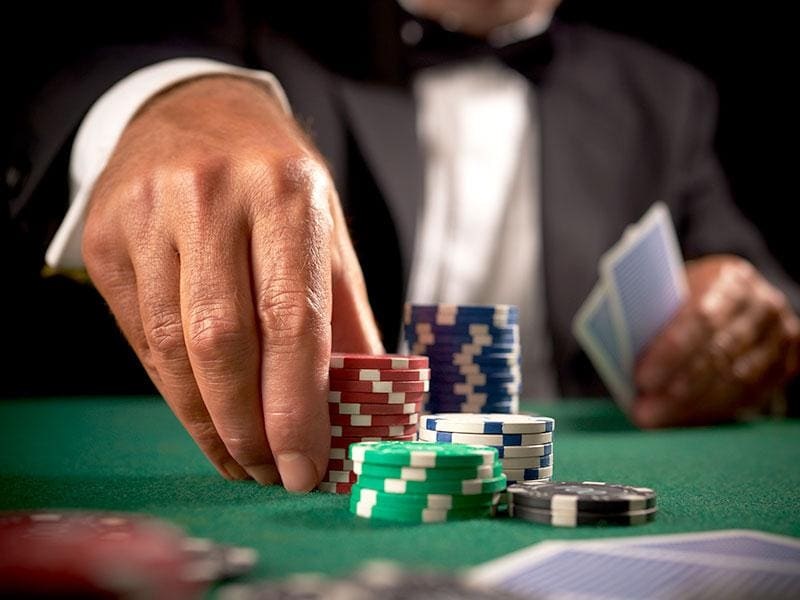
Moreover, the thrill of gambling often elicits strong emotional responses, which can cloud rational thinking. Adrenaline and excitement can make players more likely to chase losses, ignore their budget, or engage in riskier bets. Recognizing these emotions and their influence on decision-making is vital for maintaining control while gambling. Setting clear boundaries, taking regular breaks, and being mindful of your emotional state can help keep these impulses in check.
Additionally, many players tend to overlook the importance of acknowledging losses. Gambling should be viewed as entertainment, and understanding that losing is part of the experience can prevent the frustration that leads to poor decision-making. By maintaining a balanced view of wins and losses, players can approach their time at the casino with a healthy mindset and enhance their overall experience.
Website Resources and Responsible Gambling
When considering strategies and insights into beating the house edge, it is essential to have access to reliable resources. Many websites cater to gamblers, offering advice, strategies, and reviews of various games and casinos. These platforms can serve as invaluable tools for learning about the nuances of different games, comparing house edges, and discovering the latest trends in the gambling world. Utilizing these resources allows players to stay informed and enhance their skills.
Furthermore, promoting responsible gambling practices is essential to ensure a positive experience. Many reputable sites provide information about setting limits, recognizing signs of problem gambling, and accessing support services. Understanding the balance between entertainment and risk is paramount, and responsible gambling should always be prioritized. Players should be encouraged to enjoy gambling as a form of entertainment rather than a means to achieve financial gain.
Ultimately, while the house edge is designed to favor the casino over time, informed players can take strategic steps to mitigate its impact. By understanding game mechanics, employing effective strategies, and leveraging available resources, players can enhance their chances of success. Staying informed and practicing responsible gambling creates an environment where enjoyment and strategy can coexist harmoniously, leading to a more rewarding experience at the casino.